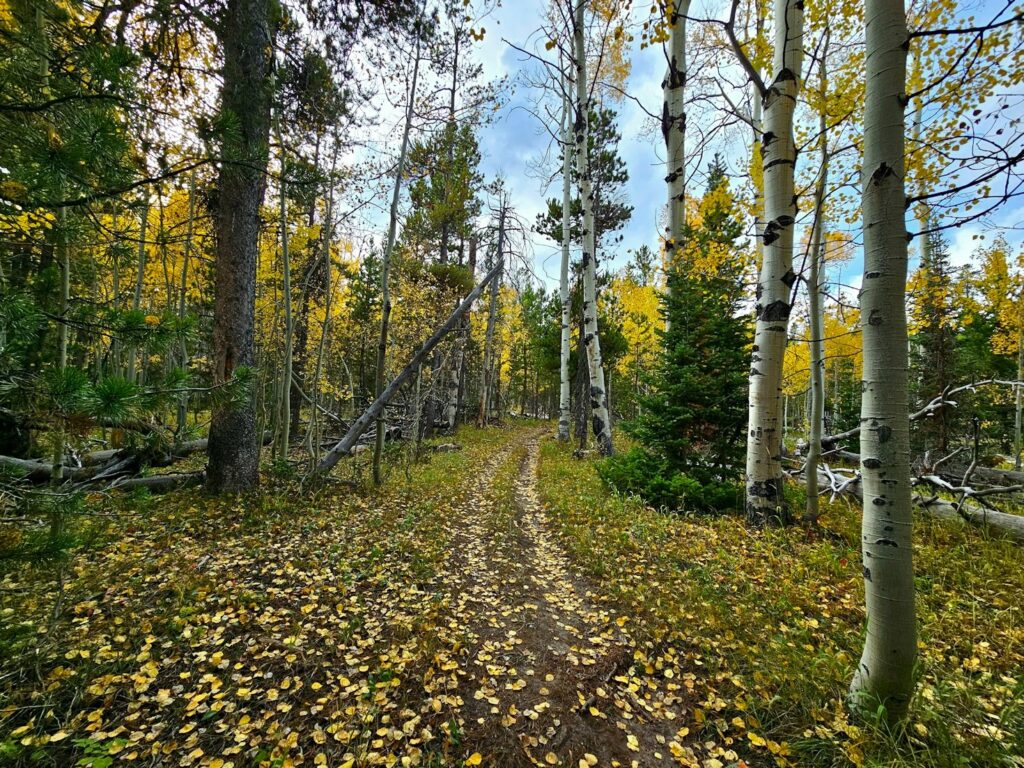
I have lived in the Marche region my entire life. I continue to explore it, one step at a time, and I constantly discover something new. Every season—every single day—offers a different picture: the winter sunset light filtering through the trees; the warm colors of autumn accompanied by the unmistakable scent of woodsmoke drifting from chimneys, which always leaves me craving roasted chestnuts! In spring, rivers and waterfalls surge with fresh water, while in summer, shaded trails through beech forests and the narrow alleys of medieval villages offer a welcome respite from the heat.
Every hike adds another piece to an ever-evolving puzzle: that of the Apennine landscapes.
The shape of the Italian peninsula is one of the reasons behind its extraordinary diversity. The Apennines run from north to south, forming a natural spine between the Tyrrhenian and Adriatic coasts. For centuries, men and women have crossed these mountains and valleys along paths used for trade, travel, and seasonal livestock migration (transhumance). The Marche and its neighboring regions have long been a crossroads of peoples and cultures: from the ancient Umbrians and Picentes to the Etruscans and, later, the Romans, who developed and connected routes across the peninsula.
The landscape still preserves the traces of these centuries of history. Castles, watchtowers, fortifications, and medieval villages crown hilltop peaks and ridges, each with a story to tell and a unique bond with the surrounding territory. Urbino, one of the great symbolic cities of the Italian Renaissance, showcases the magnificence of the Ducal Palace (Palazzo Ducale), while churches and museums throughout the region house extraordinary works of art by masters such as Raphael, Piero della Francesca, and Federico Barocci. Even small local museums, sometimes tucked away in unexpected places, can provide the key to understanding an archaeological site, the layout of a fortified village, or the living history of a community.
Yet, a place is not made solely of monuments and scenery. Listening to local residents, sharing their memories, and learning about their daily lives reveals another dimension of the territory. And there is no better way to get to know a region than through its food: freshly harvested ingredients, traditional recipes, and homemade dishes that embody authentic flavors and wisdom handed down from generation to generation.
A landscape is made up of many layers. Some are immediately visible: the beauty of a tree in a hidden orchard, the shifting colors of a woodland, or the dramatic profile of a mountain ridge. Others require a bit more effort to discover. The presence of wildlife, for instance, is often revealed through tracks rather than sightings: the footprints of wild boars and deer, the subtle marks left by badgers and hedgehogs, or the elusive presence of the wolf. With patience and keen observation, a window opens onto this hidden world.
The Apennines are also a vital habitat and sanctuary for wildlife. Birds of prey and many other species cross these mountains during seasonal migrations, stopping to rest or breed. Golden eagles can often be spotted soaring above rugged limestone cliffs, whose ancient rocks preserve fossils dating back to when these very landscapes lay beneath the sea.
The opportunities to connect with this rich natural and cultural heritage are endless: learning to identify wild herbs used in traditional cooking or herbal lore, discovering regional recipes, meeting the locals who keep culinary traditions alive, or venturing into the woods on a truffle hunt.
This land is a treasure trove filled with stories, encounters, and discoveries—more than enough to keep our curiosity alive, one step at a time.
For me, this is precisely what makes the region so fascinating. Every trail, every village, every forest, and every stretch of coastline holds a story waiting to be uncovered. You can return to the same place time and time again and still find something you had never noticed before.